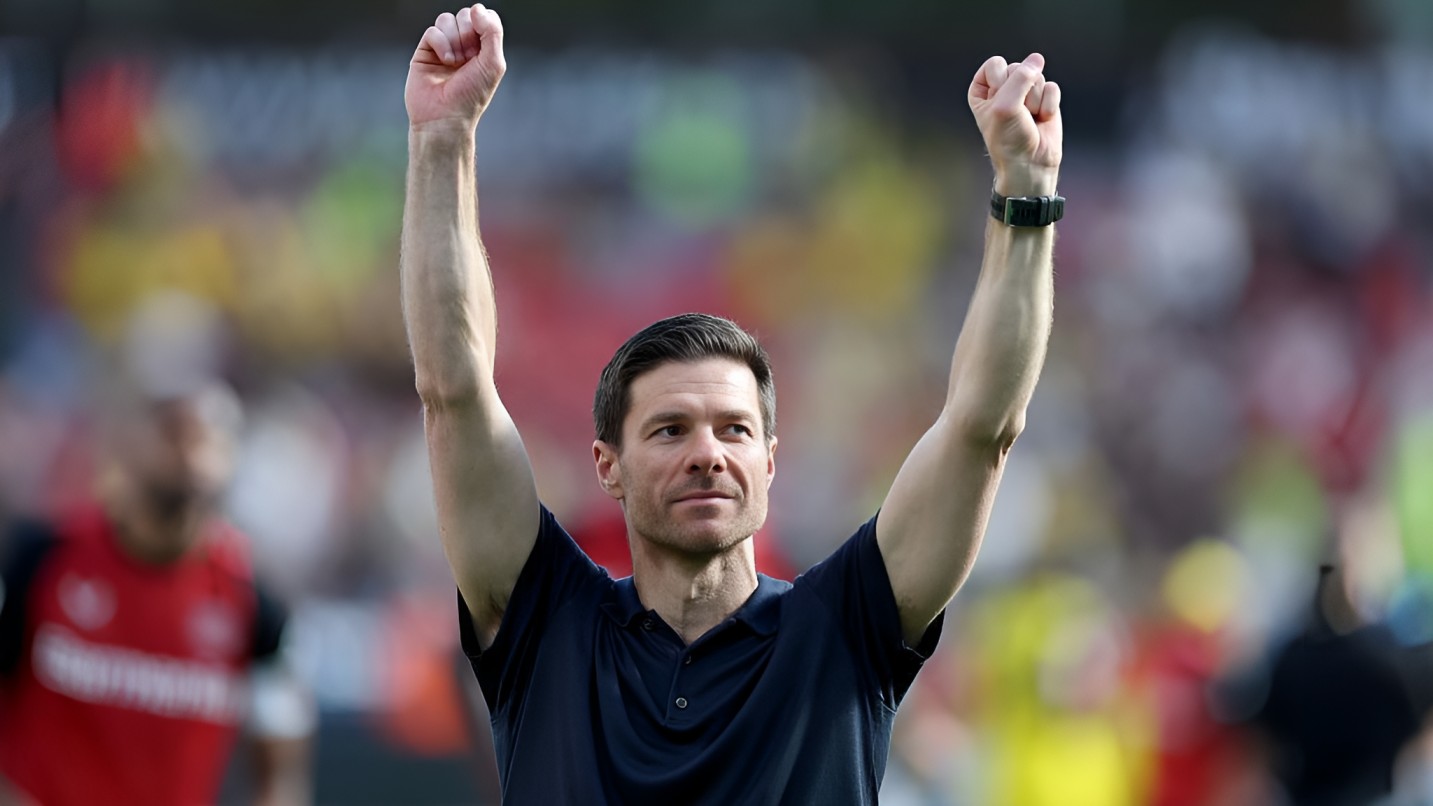
Xabi Alonso’s tenure at Real Madrid hangs by a thread. With Wednesday’s Champions League clash against Manchester City looming at the Bernabéu, what happens on that night could be the fulcrum that decides his fate.
A Bernabéu boos and an emergency meeting
The mood in Madrid is brittle. After a 2-0 defeat to Celta Vigo, the team were booed off the pitch and the club hierarchy convened an emergency meeting to discuss Alonso’s future. Real sit four points behind Barcelona, have won just once in five La Liga games, and the momentum that followed October’s victory over Barça has evaporated into a worrying slump. In that context, Alonso’s survival looks increasingly unlikely.
A modern vision clashing with tradition
Alonso arrived in the summer promising a modern, high-intensity identity — a “rock and roll” Real Madrid that would press, move and attack with relentless rhythm.
But the club’s culture is complicated. President Florentino Pérez has historically favored coaches who require less structural overhaul, and when new ideas falter, patience runs thin. Past experiments with progressive managers have been short-lived; the moment doubt creeps in, the club’s instinct has been to revert to safer hands.
A dressing room divided
What has hurt Alonso most is the disconnect between his blueprint and the players’ execution.
Scenes after the Celta defeat, thrown objects, raised voices, raw frustration exposed a dressing room at odds. Players appear to be pulling in different directions: Kylian Mbappé chasing records, Vinícius guarding his influence, Federico Valverde seeking a midfield role he’s still growing into. That mix of personalities and priorities has made it hard to forge the collective buy-in Alonso needs.
Tactical friction and unmet expectations
Alonso’s methods demand positional discipline and a midfield metronome he hasn’t been able to secure.
He wanted a player like Martin Zubimendi to provide rhythm and control but instead has had to rely on dynamic, transition-minded midfielders more suited to quick breaks than patient build-up. Jude Bellingham, deployed away from his natural role, has been asked to adapt rather than thrive, creating a transitional period that has sapped his impact.
The result: a team that sometimes looks like a collection of stars rather than a unified system.
Injuries, instability and waning support
Bad luck has compounded tactical woes. Defensive injuries have forced Alonso to field 20 different line-ups in 21 matches, and the loss of Éder Militão to a long-term hamstring injury is the latest blow. Off the pitch, the club’s decision-makers lingering behind closed doors after matches and the media’s growing narrative of a coach “overtaken by events” have only deepened the sense that the clock is ticking.
The final act approaches
Real Madrid is a club of extremes: paradise and crisis can swap places in a single week. Alonso still believes he can find solutions, and some within the club admire his modernising impulse. But when the press, the players and the board all whisper the same doubt, the margin for error narrows to almost nothing.
Wednesday’s game is not just another fixture; it is a crossroads. If the result goes against him, expect the familiar names to resurface as potential saviors, and for the Bernabéu to once again demand a return to the old certainties.































Comments
Sign in with Google to comment, reply, and like comments.
Continue with Google